There were several steps involved in this project:
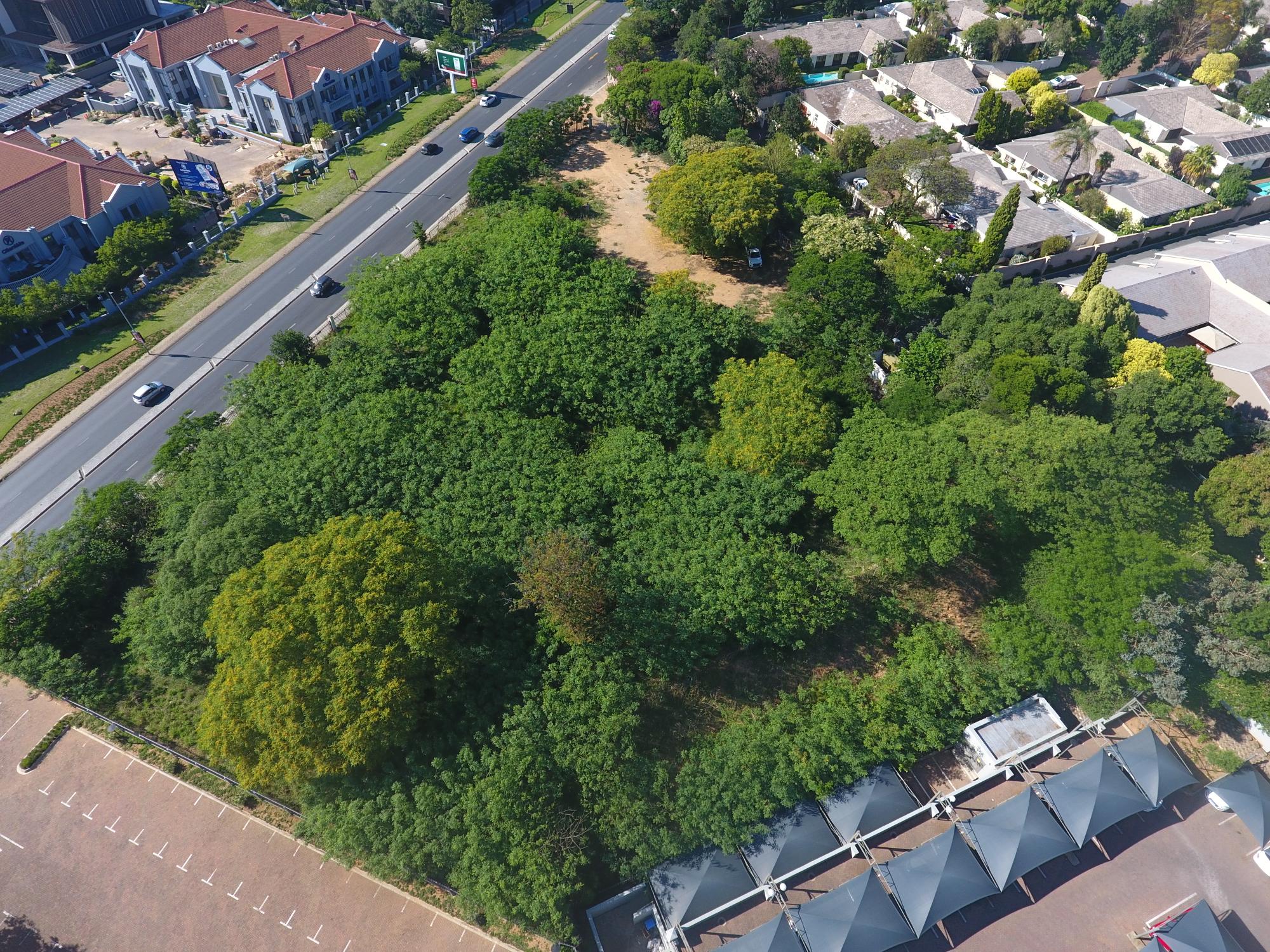
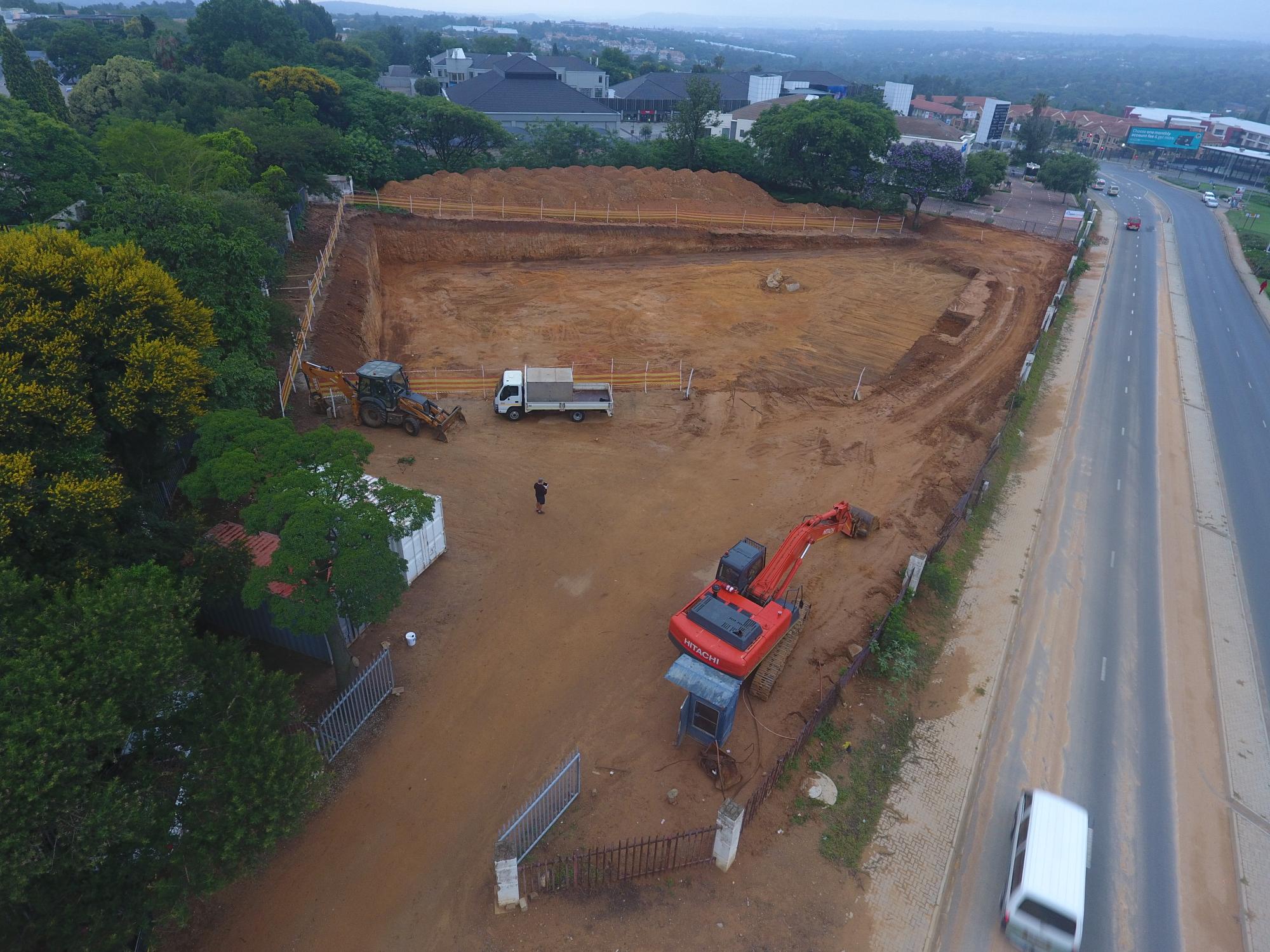
Step 1: Deforestation and mass earthworks.
The mass excavation for this project was extensive and was quite deep. A key element of this phase of the project was the safety aspect because moving that much soil, if not carefully managed, it could have destabilised the area. In addition, weather such as heavy rain had to be accounted for to ensure the safety of the teams and the surrounding infrastructure.
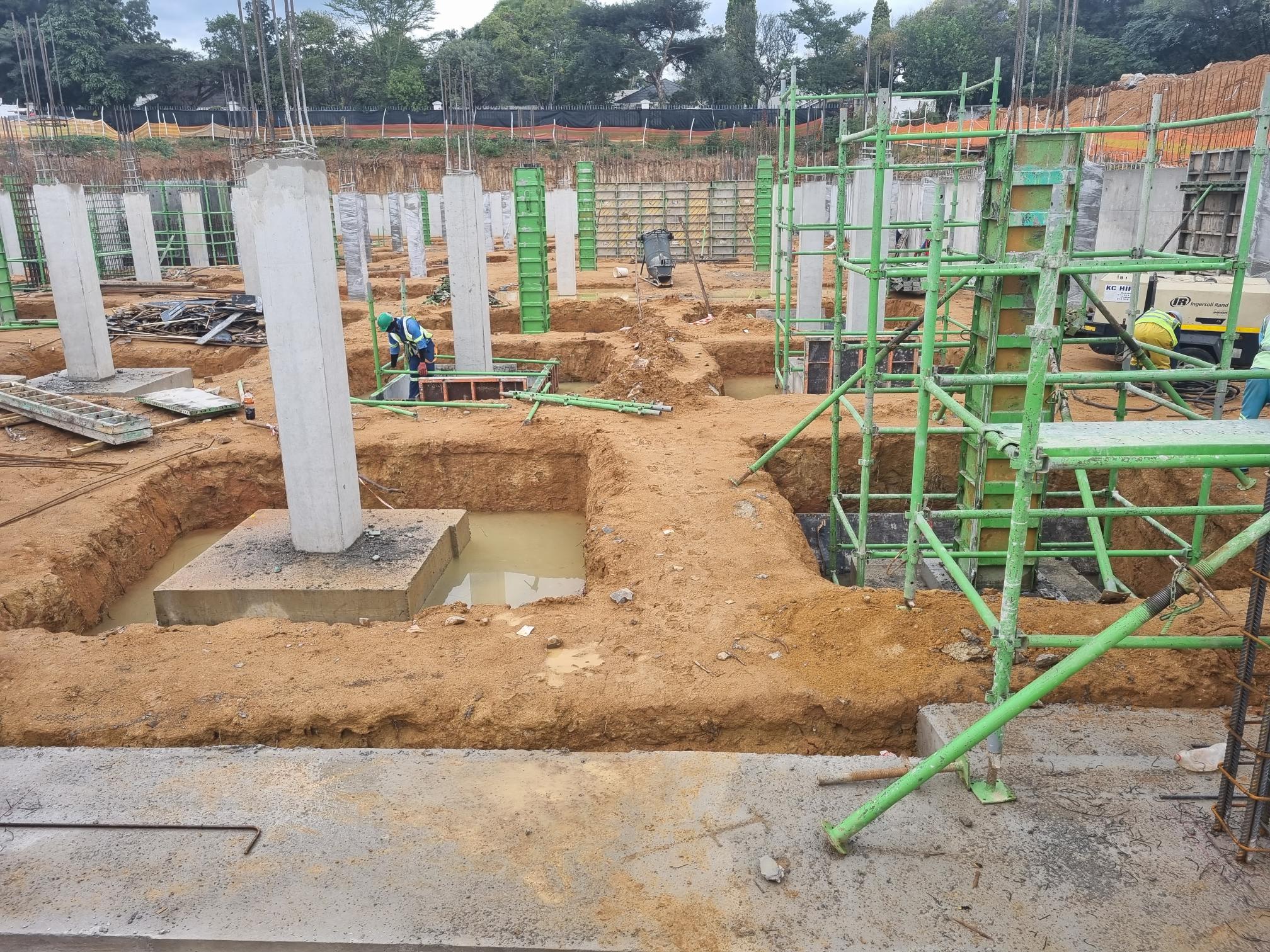
Step 2: Subsoil drainage and retaining walls.
A key challenge in this build was relieving the hydrostatic pressure behind the basement retaining walls. As we were building two storeys below ground, underground water could have built up behind the wall which could have comprimed the integrity of the retaining wall. We built a sub-soil drainage system to manage this risk behind the retaining wall and under the basement floor structure.
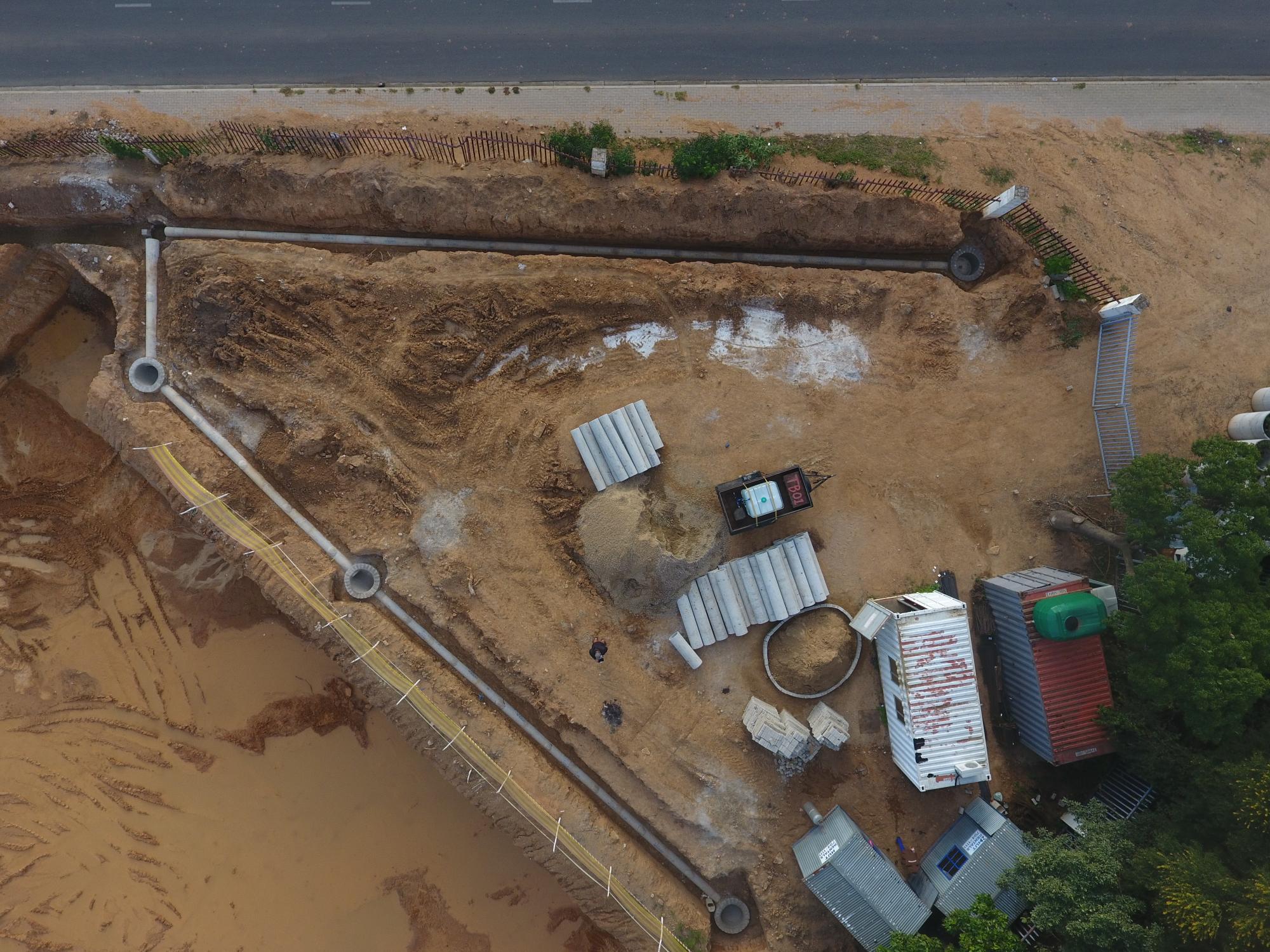
Step 3: Stormwater reticulation and attenuation.
The Liber Civils team installed the stormwater drainage systems early in the project so that the teams that followed after us were not interrupted by underground system installations and extensive excavations. As the structure of the building began, the number of people on the site increased exponentially. Because our team has extensive experience with site management and building, we understood how important it was to manage underground system development before the site became crowded so that the whole project could be completed on time.
Step 4: Reticulation
The systems our team was responsible for included sewage, water, electricity, fire prevention, data cabling, and electrical reticulation.
Step 5: Roads and Services
A key factor in building roads is managing the integrity of the underground services that run beneath the road. When a road is backfilled or recompacted over these services it is important that there is structural integrity so that once the road is tarred or paved the underground services are protected from road surface settlement.
This particular build presented several interesting challenges such as a tight timeline, subterranean building, and the build coinciding with the rainy season. Utilising a range of civil engineering strategies and working closely with the other professional teams on site, we were able to complete the project on time.